


Branding Services
Branding is a comprehensive process that determines how a company or product will be recognized in the market, what impression it will create, and how it will be perceived by customers. Although many people associate branding only with a logo, the concept is actually much broader. A logo is one of the main visual symbols of a brand, but it does not fully represent the brand identity. Branding encompasses a company’s values, color system, design language, communication style, advertising materials, and overall relationship with customers. One of the key factors that differentiates companies operating in the same industry is a well-developed brand strategy. Professional branding helps a company become more recognizable, reach the right audience, and build a more trustworthy image among customers. A well-established brand gives a company a consistent and professional appearance across all platforms. The elements used on the website, social media, advertising materials, and other communication channels complement one another and create a stronger overall impact. For this reason, branding is not only important for new businesses but is also a valuable investment for any company looking to refresh its existing brand, strengthen its position in the market, and achieve a more professional presentation.
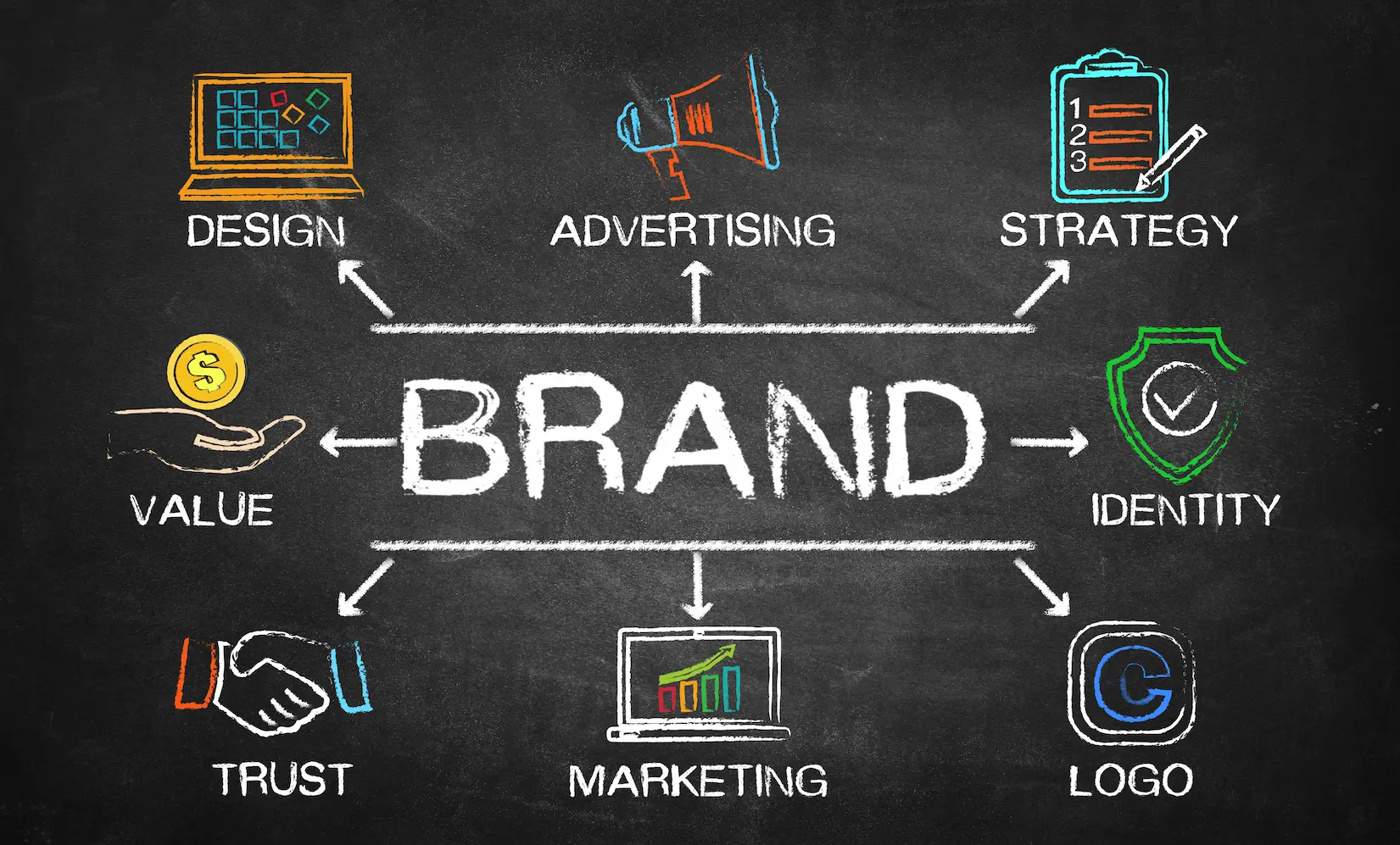
Creating a Strong Brand with Professional Branding Services
Why Is Branding Important for a Business?
In today’s market, competition is not determined solely by price and product quality. When making a choice, customers also pay attention to how a company presents itself, how trustworthy it appears, and what values it represents. Therefore, a strong brand image plays an important role in the long-term success of a business.
Professional branding first and foremost allows a company to stand out. Having a unique and consistent visual identity is essential for being remembered among numerous businesses operating in the same industry. A well-designed brand captures customers’ attention and clearly highlights the aspects that differentiate the company from others.
Branding also helps build customer trust. People generally perceive companies with a professional presentation as more established and reliable. A well-designed logo, appropriate color system, consistent design approach, and professional communication demonstrate the importance a company places on its work.
Another important benefit is increased brand recognition. People tend to remember visual elements more easily. Consistently using the same brand style over time helps increase company recognition and allows customers to remember the brand more quickly.
Branding also increases the effectiveness of marketing activities. When advertising campaigns, social media posts, and other communication materials are created based on a consistent visual system, they appear more professional and have a stronger impact.
In addition, a strong brand supports the company’s future growth. When introducing new products and services, entering new markets, and expanding the customer base, an established brand identity provides the business with an additional advantage.
For this reason, branding is not simply a design service but a strategic investment in the company’s future. A well-established brand strengthens the business’s position in the market and helps build stronger relationships with customers.
What Does Our Branding Service Include?
Professional branding involves building all of a company’s visual and communication elements around a unified system. Simply having a logo is not enough to turn a business into a strong brand. Every detail of the brand — from colors and fonts to advertising materials and its presence across digital platforms — should accurately reflect the company’s identity.
At Interactive Media, we develop comprehensive visual solutions as part of the branding process, taking into account the company’s industry, target audience, market position, and future growth objectives. Our goal is not simply to create an aesthetically pleasing design, but to build a professional brand system that clearly communicates your business’s values and strengths to customers.
Our branding service primarily includes logo design. A logo is the main visual symbol of a brand and one of the first recognizable elements of a company. When designing it, we take into account the business’s industry, target audience, and market position. We create a simple, memorable logo that can be used effectively across various platforms.
Another important area is the development of Corporate Identity. Corporate identity ensures that all of a company’s visual elements are presented in a consistent style. Business cards, official documents, presentation materials, social media designs, and other communication materials are created in accordance with this system.
Color system and typography selection are also key parts of the branding process. Colors shape the impression a brand aims to create, while font selection defines its style and character. For example, technology companies may prefer a more modern and minimalist approach, while brands offering premium services may use more sophisticated and elegant design elements.
Brandbook (Brand Guidelines) is a document that defines how the created visual identity should be used. It includes logo usage guidelines, color codes, typography standards, design principles, and other important details. A brandbook helps the company maintain a consistent and professional appearance across all platforms in the future.
In addition, depending on the business’s needs, we also develop social media visual concepts, advertising materials, packaging designs, presentation templates, and other marketing elements.
As a result, we create a complete brand system for your business that is not only visually appealing, but also strategy-driven, recognizable, and suitable for long-term use.
How Is the Brand Creation Process Carried Out?
A successful brand is not created through random design decisions, but as a result of proper research and planning. Since every business has different goals, target audiences, and market positions, the branding process also requires a tailored approach for each company.
At the first stage, detailed information about the business is collected. The company’s activities, products or services, target customers, competitors, and future objectives are analyzed. The main purpose of this stage is to determine the direction in which the brand should develop.
Next, market and competitor analysis is carried out. Competitors’ visual approaches, color palettes, communication styles, and presentation methods are examined. This analysis helps determine the right direction for creating a distinctive brand presence in the market.
In the next stage, the brand strategy and concept are developed. This is where the brand’s personality, core message, and the impression it aims to create among customers are defined. Whether the brand should be presented as more professional, innovative, dynamic, premium, or in another direction is determined at this stage.
Once the strategy has been defined, the process moves to the visual design stage. The logo, color palette, typography, and other visual elements are developed. The main goal of the design process is not only to create a distinctive appearance, but also to accurately communicate the essence of the brand.
The developed concepts are reviewed, necessary adjustments are made, and the final visual identity is established. Rules and guidelines are then prepared for the future use of the brand elements.
In the final stage, all design materials are applied across various platforms. A consistent brand identity is maintained across the website, social media, advertising materials, and other communication channels.
As a result of a properly executed branding process, a company gains not simply a collection of visual elements, but a strong brand identity that is recognizable and memorable to customers.
Most Common Branding Mistakes
Many companies approach branding as nothing more than creating a logo and consider the process complete once the logo is finished. However, a poorly developed brand can negatively affect the company’s recognition and customer trust in the long term.
One of the most common mistakes is creating a design without considering the business strategy. The logo and other visual elements should align with the company’s industry, target audience, and market position. A design that simply looks attractive does not always create an effective brand.
Another common mistake is choosing overly complex designs. Logos with too many details and visual elements can be difficult to use at smaller sizes and harder for people to remember. Most successful brands use simple, clear, and easily recognizable visual elements.
Failing to pay sufficient attention to the choice of colors and fonts is another serious mistake. Colors and typography shape the character of a brand. The wrong choices can create an impression that is contrary to what the company aims to convey.
Another common problem is the lack of a consistent visual system. Some companies use different design approaches across social media, their website, and other advertising materials after creating a logo. This weakens brand recognition and makes it more difficult for customers to associate these materials with the same brand.
Choosing a design based solely on current trends is also not the right approach. Design trends change over time, but a strong brand identity should remain relevant for many years.
Professional branding requires all of these nuances to be considered in advance. A brand developed with the right strategy helps your company establish a stronger position in the market and present a more professional image to customers.
Why Interactive Media?
Successful branding requires more than just design skills. Building a strong brand requires business thinking, market understanding, and a technical approach to work together. At Interactive Media, we approach the branding process with exactly this mindset. We take an individual approach to every project and create a unique visual identity tailored to the company’s specific characteristics, without relying on ready-made design solutions. Every business has a different story, customer profile, and purpose in the market. Our team consists of specialists with experience in design, digital marketing, and web technologies. This allows us not only to create aesthetically appealing designs, but also to consider how the brand will be used across the digital environment.
In the branding solutions we develop, we focus on three key principles: uniqueness, functionality, and sustainability. The logos and visual elements we create are designed not only for today but also to support the company’s future growth. We analyze the business’s industry and target audience in depth to ensure that the brand communicates the right message. Because good design should not only be visually appealing, but also create the right perception of the company in the minds of customers.
At Interactive Media, our goal is not simply to provide design files for your company. Our goal is to create a strong brand identity that differentiates you in the market, is easily recognized by your customers, and supports the growth of your business.
Conclusion
Building a strong brand is one of the essential steps toward long-term growth in today’s business environment. At a time when competition is increasing and customers have more choices, how a company presents itself has a direct impact on its success. Professionally developed branding helps your business stand out, build trust, and establish stronger connections with its target audience.
Branding is not just about logos and visual elements. It is a comprehensive approach that shapes a company's values, goals, and the overall experience it delivers to customers. A well-established brand identity enables a company to look more professional, remain memorable, and strengthen its market position.